+233 20 4179128
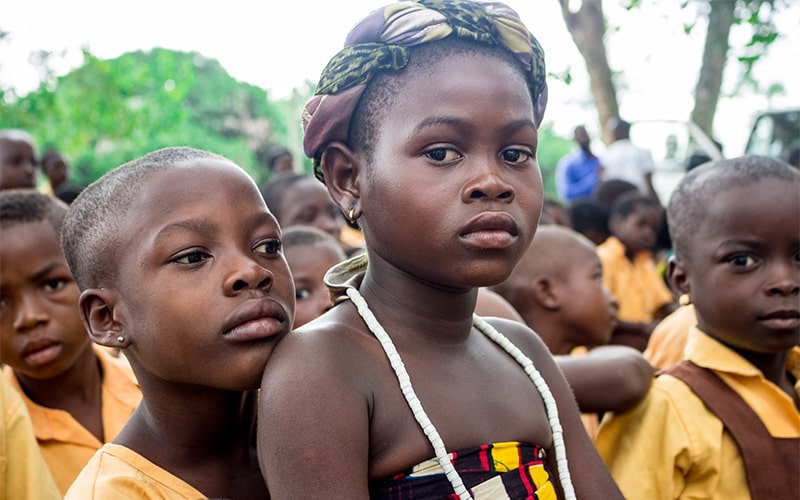
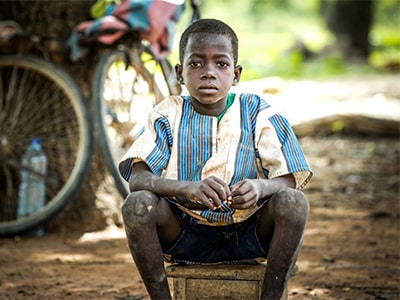
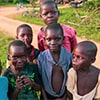
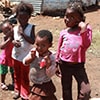
In Ghana, as in many parts of the world, educating a girl child is not just a process of imparting knowledge; it's a catalyst for change that transcends generations. The journey towards gender equality in education in Ghana has been both challenging and inspiring. With concerted efforts from the government, NGOs, and local communities, significant strides have been made in turning the tide towards a more inclusive and equitable educational landscape.
Historically, several barriers have stood in the way of girl child education in Ghana, ranging from socio-economic factors to cultural practices and inadequate infrastructure. Families often prioritize boys’ education over girls’, viewing it as a more valuable investment. However, the narrative is shifting as the undeniable benefits of educating girls become more widely recognized. Educated women are more likely to participate in the workforce, have healthier families, and earn higher incomes, which they reinvest into their communities.
Initiatives aimed at breaking down these barriers have been pivotal. Scholarship programs, mentorship, and community engagement efforts are proving effective in encouraging families to support their daughters’ education.
More girls are enrolling in and completing their education, and there’s a growing number of female role models in various professional fields, inspiring the next generation. However, the journey is far from over. Ghana continues to face challenges such as teenage pregnancy and early marriage that cut educational journeys short.
Looking ahead, the focus is on sustainability and resilience. It's about creating an environment where girls not only access education but thrive within it, equipped with the skills and confidence to pursue their dreams. The goal is clear: to ensure that every girl in Ghana, regardless of her background, has the opportunity to learn, grow, and succeed.
Amplifying this momentum, the next steps in advancing girl child education in Ghana hinge on innovative solutions and sustained commitment. Leveraging technology and digital learning platforms offers a promising avenue to bridge educational gaps, especially in remote areas. Tailoring educational content to be culturally relevant and gender-sensitive can also enhance engagement and retention rates among girls. Furthermore, strengthening partnerships between governments, NGOs, local communities, and the private sector is crucial for mobilizing resources and expertise.
it's essential to recognize the role of technology and innovation in bridging educational gaps. The digital age presents an unprecedented opportunity to expand learning horizons for girls, offering access to resources and knowledge that were previously out of reach. Initiatives like digital libraries, e-learning platforms, and STEM (Science, Technology, Engineering, and Mathematics) programs tailored for girls are not only enhancing educational quality but also preparing them for the demands of the 21st-century job market.
These technological interventions, coupled with a supportive community and policy framework, ensure that girls in Ghana are not just participants in their education but are empowered to become leaders and innovators. The journey of girl child education is evolving and marked by progress.

As a voice for change, the Bruce continues to contribute to the discourse on gender and education, motivating readers to join in the effort to ensure every girl has the opportunity to learn.
Mark Turner
22 Feb 2024 at 10:04pmThank you for shedding light on such a crucial issue. Reading about the challenges and advancements in girl child education in Ghana really opened my eyes to the importance of supporting educational initiatives.
ReplySheila Forlan
12 Feb 2024 at 09:40pm
As someone who believes strongly in the power of STEM fields to change lives, I hope we continue to find innovative ways to engage and empower girls
ReplyBruce Smith
14 Feb 2024 at 11:06pm
Absolutely, the impact of integrating technology and STEM in education cannot be overstated, especially for girls in developing countries.
Reply